

Home Generator Installation for Reliable Backup Power
Quick Answer
Want a backup generator installed in Ardmore, Levittown, the Main Line, or Lower Bucks County? Mister Sparky handles the electrical side of generator installation — automatic standby generators with an automatic transfer switch (ATS), or a manual transfer switch and interlock kit for a portable generator. We size the system to your home's critical loads (heat, sump and well pumps, refrigerator), wire it safely to your panel, and handle the permit and inspection, with upfront pricing before any work begins.
Call 484-2-SPARKY or request a visit below.
- Licensed & Insured
- Upfront Pricing
- Background-Checked Techs
- Permits & Inspections Handled
What Generator Installation Means
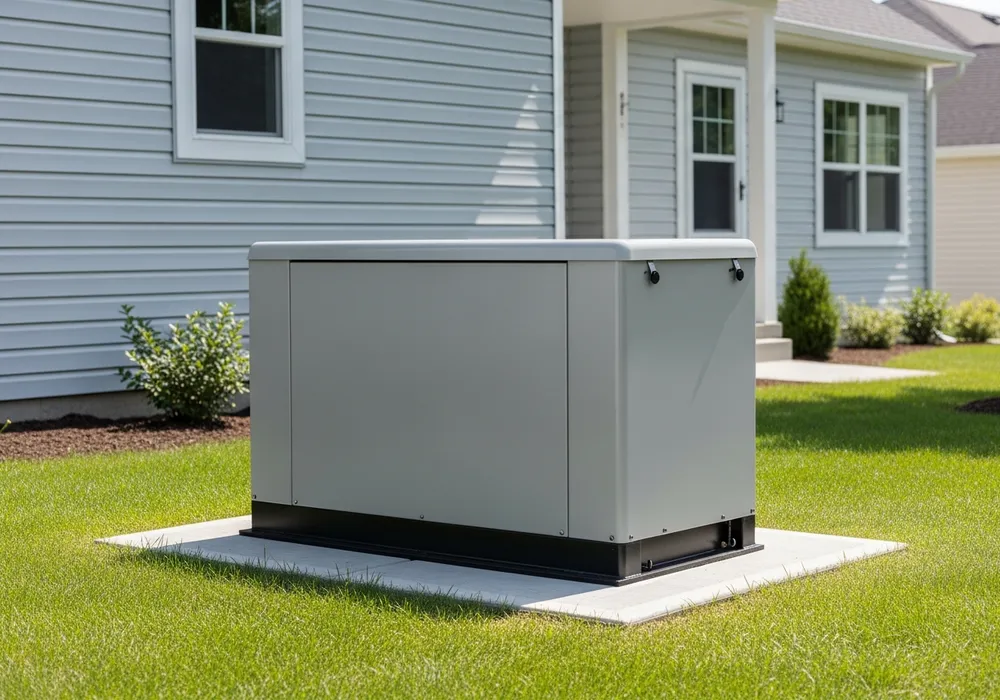
Generator installation gives your home a safe, code-compliant way to run on backup power when the grid goes down. There are two common approaches. A whole-home standby generator is permanently installed outside, runs on natural gas or propane, and starts automatically through an automatic transfer switch (ATS) the moment it detects an outage — no action needed from you. A portable-generator setup uses a manual transfer switch or an interlock kit so you can safely power selected circuits from a portable unit you roll out and start yourself.
Whichever route fits your needs and budget, the electrical work is the same in spirit: we isolate your home from the grid so power can never 'backfeed' onto utility lines, wire the transfer equipment to your panel, and make sure your most important circuits stay energized. We focus on the electrical installation and connection; for standby units we coordinate the gas hookup with a licensed plumber as needed.
Why Homeowners Add Backup Power
Outages in our area are usually short — but the ones that aren't can be costly, uncomfortable, and even dangerous.
Keep the Heat & A/C On
Modern gas and heat-pump systems still need electricity to run. Backup power keeps your home livable through winter storms and summer heat.
Protect Against Flooding
A sump pump that stops during a storm can flood a finished basement in hours. Backup power keeps it running when you need it most.
Well Pumps & Water
Homes on a private well lose running water the instant the power goes out. A generator keeps your water flowing.
Food, Medical & Work
Refrigerators, freezers, medical equipment, and home offices all depend on uninterrupted power during an outage.
What a Generator Can Power
We size the installation around the circuits that matter most to your household.
Local Considerations for Lower Bucks & Montgomery County
The Delaware Valley gets its share of power-disrupting weather: summer thunderstorms, the occasional nor'easter, and remnants of tropical systems that bring high wind and heavy rain. On the Main Line and in tree-canopied Montgomery County boroughs like Gladwyne, Wynnewood, and Jenkintown, falling limbs regularly take down lines and cause longer, localized outages — exactly where standby power earns its keep.
Flooding is a real concern in parts of Lower Bucks near the Delaware River — Yardley, Bristol, and low-lying spots around Levittown and Morrisville — where a working sump pump during a storm is the difference between a dry basement and thousands in damage. For these homes, a generator is as much flood insurance as it is convenience.
Homes on private wells, more common in the outer Bucks communities around Newtown and Langhorne, lose running water the moment the power fails. Across the whole region, a permanently wired generator and transfer switch require a permit and inspection, plus correct sizing for your panel and loads — we handle the electrical permitting and inspection so the system is safe and code-compliant.
What to Expect
We make backup power straightforward, from sizing the system to the final inspection.
Assess Your Needs
We review which circuits you want backed up and recommend a standby or portable-based system to match.
Size & Plan
We size the generator and transfer switch to your critical loads and plan the safest connection to your panel.
Install the Transfer Switch
We install the automatic or manual transfer switch and wire it so the home can never backfeed the grid.
Permit, Test & Demonstrate
We handle the permit and inspection, test a full outage transfer, and show you exactly how the system works.
What Generator Installation Costs
Cost depends mostly on whether you choose an automatic standby system or a portable-generator setup, and on how many circuits you back up.
Electrical install; generator supplied separately
Installed; varies with unit size & gas hookup
Backs up a chosen set of circuits
These are general ranges, not quotes, and standby figures depend heavily on unit size and the gas connection. Your exact price is provided upfront after an in-person assessment — always before any work begins.
Safety Note
The single most important rule with any generator is preventing backfeed — power flowing from your generator onto the utility lines, which can electrocute line workers and damage your home when grid power returns. That's exactly what a proper transfer switch or interlock prevents, and why these setups must be installed by a licensed electrician and never improvised with a 'suicide cord.' Just as critical: portable generators produce carbon monoxide and must always run outdoors, far from windows and doors — never in a garage or basement, even with the door open.
What Our Customers Say
Real reviews from real customers — no fabricated quotes.
“Electrician William explained everything thoroughly and did a great job! Made sure everything was done correctly and left the place better than he found it in a timely manner.”
“From getting an on site quote to the actual install of my ceiling fans, Daniel was friendly, honest, explained everything precisely and the install was neat clean and my fans work beautifully. Would never hesitate to use Mr. Sparky for any future electrical needs and will definitely recommend to my friends.”
“Recently worked with the Mister Sparky of Ardmore team on a project. They were great to work with. Smooth process, easy communication, everything came in on time and budget. Mohamad & Royce, thanks so much for being great partners on the project. Looking forward to the next one!”
Ask About a Backup Generator
Tell us about your home and what you'd like to keep running. We'll follow up to discuss options.
Frequently Asked Questions
What's the difference between a standby and a portable generator setup?
A whole-home standby generator is permanently installed, runs on natural gas or propane, and starts automatically through a transfer switch the moment the power goes out. A portable setup uses a manual transfer switch or interlock so you can safely power selected circuits from a portable unit you start yourself — a lower-cost option that requires more hands-on involvement.
Do I need a transfer switch, or can I just plug a generator into an outlet?
You need a proper transfer switch or interlock. Plugging a generator directly into an outlet ('backfeeding') is extremely dangerous — it can electrocute utility workers and damage your home. A transfer switch safely isolates your home from the grid; we install it to code.
How big a generator do I need?
It depends on which circuits you want to keep running. We perform a load assessment of your essentials — heat, sump or well pump, refrigerator, key outlets — and size the generator and transfer switch accordingly so you're not over- or under-powered.
Is a permit required to install a generator in Pennsylvania?
Yes. A permanently wired generator and transfer switch require a permit and electrical inspection. We handle the electrical permitting and inspection as part of the installation.
Related Services
Service Areas
We provide generator installation across the Main Line, Montgomery County, and Lower Bucks County, including:
Not Sure Where to Start?
Try our free electrical capacity assessment to see whether your panel can handle new loads, or contact us and we'll point you in the right direction.
Ready for reliable backup power?
Tell us what you want to keep running and we'll recommend the right system — with upfront pricing.